Why Regular Mold Prevention Services Protect Your Home and Health
Living in Fort Worth means dealing with humidity, sudden rainstorms, and the occasional plumbing mishap. Over the years, I have walked into too many homes where the owner thought a bleach spray once a month was enough to keep mold away. It is not. Mold is a living organism that spreads through spores, and by the time you see it on a wall, the colony has already been growing for days or weeks. The real work happens before you ever spot a patch of black or green.
Mold prevention services are not about waiting for a problem and then reacting. They are about understanding where moisture comes from and cutting it off at the source. I have seen crawl spaces in older Fort Worth homes that stay damp year round because of poor grading or a slow leak from an upstairs bathroom. In those cases, no amount of surface cleaning will stop the mold. You have to fix the moisture first. That is the core idea behind professional mold prevention services: stop the conditions that allow mold to grow in the first place.
Why Prevention Beats Remediation Every Time
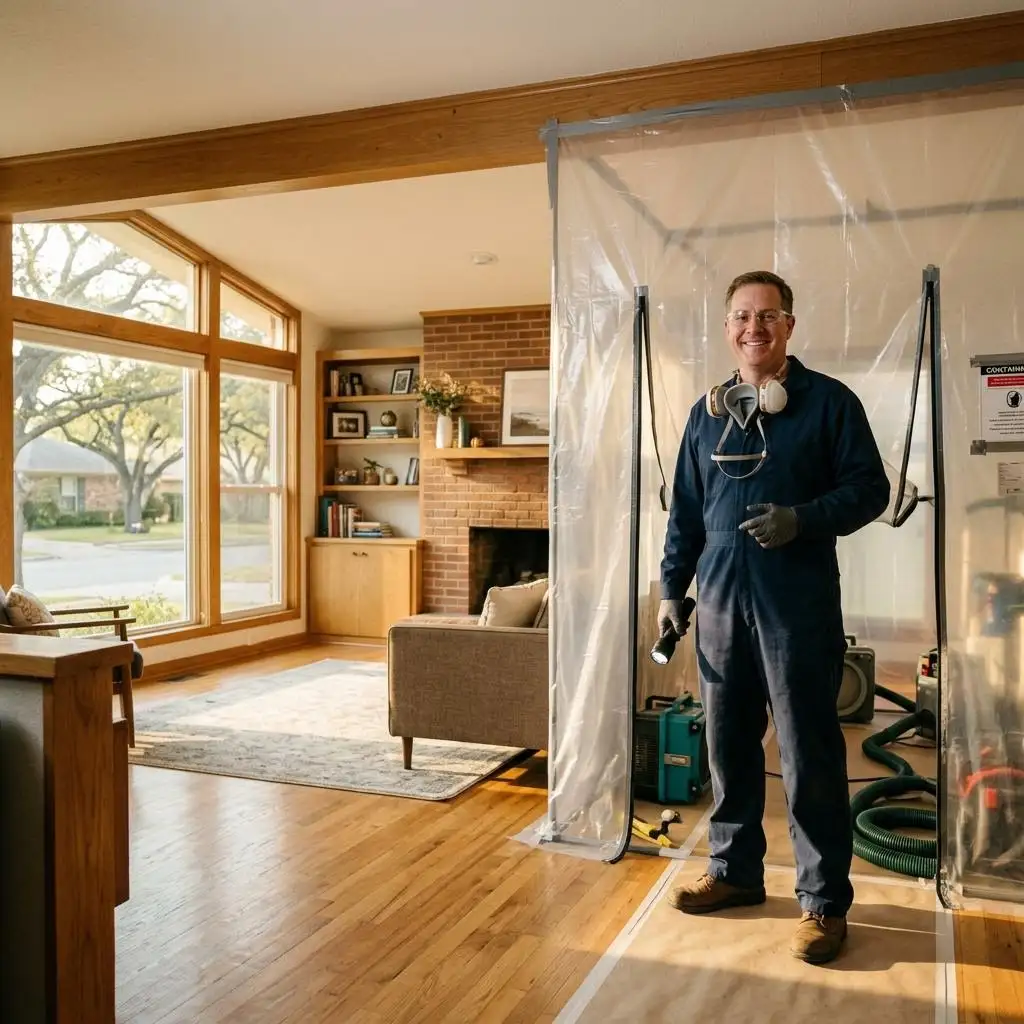
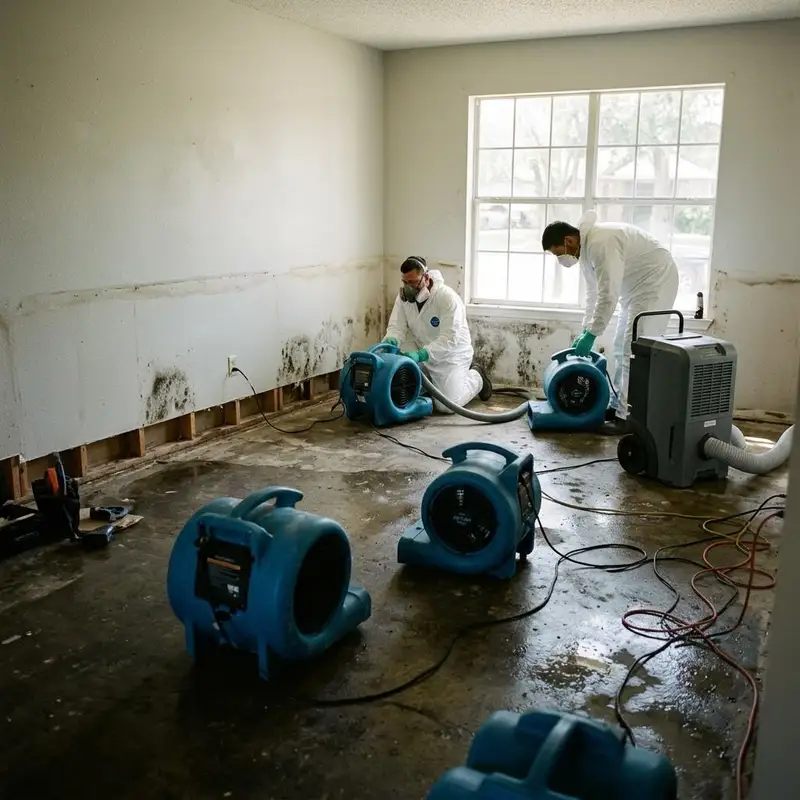
Mold remediation is expensive. It involves containment, air scrubbers, HEPA vacuums, and often removing drywall or carpet. Restoration companies charge a premium for that work because it is labor intensive and requires specialized equipment. Prevention, on the other hand, is far more affordable and less disruptive. A certified mold inspector can identify problem areas before they become major issues. They check for high humidity levels, condensation on windows, poor ventilation in bathrooms, and hidden leaks behind appliances. Catching those things early saves thousands of dollars in remediation costs later.
I once worked with a family in a 1950s bungalow near the Cultural District. They had a musty smell in the basement that they could not get rid of. They had tried dehumidifiers and even painted the walls with a mold resistant primer. But the smell kept coming back. A professional inspection revealed a slow leak in a pipe inside the wall cavity. The wood framing had been damp for months. By the time we found it, the mold had spread to the insulation. That job required full remediation. But if they had called for a prevention inspection a year earlier, a simple leak repair would have solved everything for less than a third of the cost.
How Professional Mold Prevention Services Work
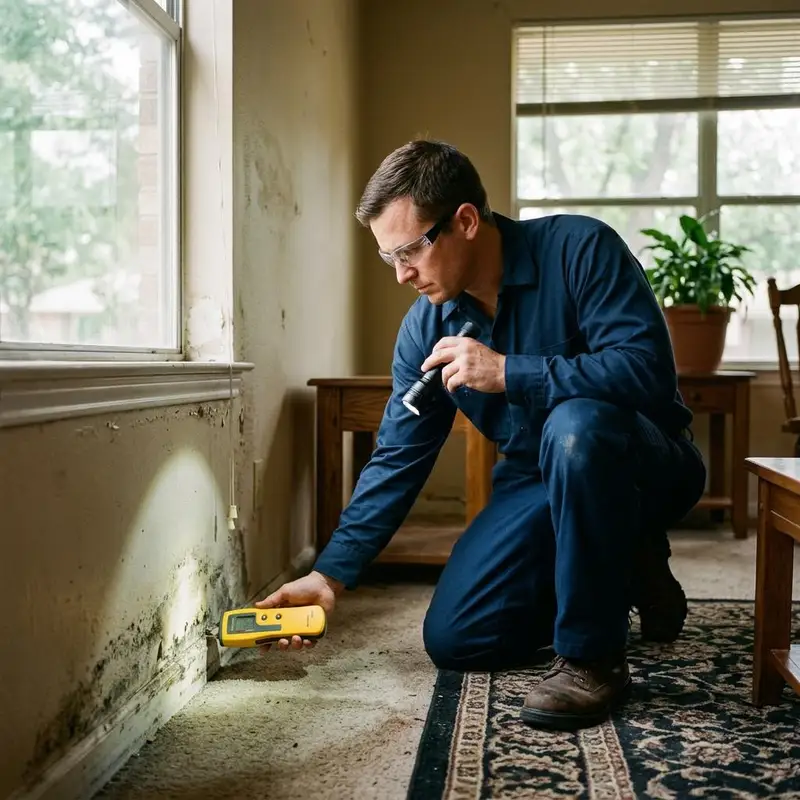
A good prevention plan starts with a thorough mold inspection. The inspector looks at the building envelope, the HVAC system, plumbing, and drainage. They measure moisture levels in walls and floors using a moisture meter. They also check the indoor air quality with specialized tools. If the air in a home has a high spore count, that is a sign that something is producing mold somewhere, even if you cannot see it yet.
After the inspection, the next step is moisture control. That can mean fixing a leaky roof, sealing cracks in the foundation, improving gutter drainage, or installing a dehumidifier in a damp basement. In Fort Worth, where summer humidity routinely hits 80 percent, a whole house dehumidifier connected to the HVAC system can make a huge difference. It keeps the relative humidity below 50 percent, which is the threshold where mold cannot grow.
Sometimes the fix is simpler. I have seen cases where simply moving furniture away from exterior walls allowed air to circulate, and the mold problem disappeared. Other times, the solution is mechanical: adding exhaust fans in bathrooms and kitchens, or installing a vapor barrier in a crawl space. The point is that every home is different, and a one size fits all approach does not work.
Tools and Products That Actually Work
There is a lot of misinformation online about mold removal. Some people swear by bleach, but bleach is not effective on porous surfaces like drywall or wood. It kills surface mold but leaves the hyphae (the root like structures) alive inside the material. Within weeks, the mold grows back. A better choice is a product like Concrobium, which encapsulates the mold spores and prevents them from regrowing. It is also safer to use indoors because it does not release harsh fumes.
For active mold growth, professionals use HEPA vacuums to capture spores from carpets, upholstery, and air ducts. They also use air scrubbers with HEPA filters to clean the air during remediation. But for prevention, you do not need those heavy tools. What you need is a good mold testing kit to check air quality, a dehumidifier to control humidity, and a plan for regular inspections. The EPA recommends keeping indoor humidity below 60 percent, and ideally between 30 and 50 percent. That is the single most effective prevention measure.
When to Call a Professional
Some homeowners try to handle mold prevention on their own. They buy a dehumidifier, run it in the basement, and call it done. But prevention is more than that. A certified mold inspector has training that goes beyond what you can learn from a YouTube video. They know how to interpret moisture readings, how to spot hidden mold, and how to recommend the right repairs. Organizations like the Texas Department of State Health Services and OSHA have guidelines for mold assessment and remediation, and a professional follows those standards.
If you have had water damage from a storm, a plumbing leak, or a flood, it is smart to call a professional even if you think you dried everything out. Moisture can hide inside wall cavities, under flooring, and in insulation. A mold inspection after a leak is one of the best investments you can make. Some restoration companies offer this as part of their water damage response, but you can also hire a specialist separately.
The Connection Between Mold and Health
Mold allergy is real. For people with asthma, allergies, or weakened immune systems, exposure to mold spores can trigger serious reactions. Symptoms include sneezing, coughing, eye irritation, skin rashes, and even trouble breathing. The EPA has published studies linking indoor mold to respiratory problems in children and adults. That is why indoor air quality matters so much. You cannot see mold spores in the air, but they are there if the conditions are right.
I have seen families move out of their homes for weeks during remediation because the mold was so bad. The emotional and financial toll is huge. Prevention avoids all of that. Spending a few hundred dollars on a prevention inspection and some moisture control measures is nothing compared to the cost of remediation, lost belongings, and health problems.
What About Tented Fumigation and Other Extreme Measures?
Some companies offer tented fumigation for severe infestations, where they seal off a room and use gas to kill mold. That is a last resort. It is expensive, requires you to vacate the property, and involves handling chemicals that need to be carefully managed. For most homes, tented fumigation is overkill. A combination of moisture control, HEPA vacuuming, and targeted use of Concrobium or a similar product is enough. The goal is to prevent the mold from reaching that point in the first place.
If you see a mold testing kit at a hardware store and think about buying one, understand that those kits have limitations. They can tell you whether spores are present in the air, but they cannot tell you where the mold is growing or how bad the infestation is. A professional inspection gives you a complete picture. Companies like Mold Removal Fort Worth offer both inspection and prevention plans tailored to the local climate and building types. Their certified mold inspectors know the common problem areas in Fort Worth homes, from slab foundations to attic ventilation.
Regular mold prevention services are not a luxury. They are a practical way to protect your home, your health, and your wallet. If you have not had an inspection in the last year, especially after a wet season or a plumbing repair, it is worth scheduling one. A few hours of a professional's time can save you from weeks of disruption and thousands of dollars in repairs. And in a climate like Fort Worth's, where the heat and humidity create perfect conditions for mold, staying ahead of the problem is the only strategy that really works.